MD, DO, DC; When the Credential in the Chart Actually Matters
Linda breaks down what those three credentials actually mean... legally, clinically, and in the context of your case. An MD and a DO carry identical legal weight in California. A DC does not. And the difference between what a license allows and what a provider was actually authorized to do inside a specific institution is where a lot of cases quietly fall apart. Also see what happens when a licensed chiropractor cleared a 14-year-old with a known heart condition for strenuous activity. The child died. The jury awarded $29.5 million. MICRA brought it to $250,000. And the question that should have been asked before any of that... whether clearing a cardiac patient for aerobic activity was even within a DC's scope — may never have been on anyone's intake list. Linda also covers why the credential check you're running may be returning exactly what it was designed to show you, and what the chart is never going to tell you on its own.
Linda Acker FNP
7/1/20262 min read
MD, DO, and DC: What Firms Need to Know Before their Next Case
Is there a legal difference between an MD and a DO in California?
No. In California, a Medical Doctor and a Doctor of Osteopathic Medicine hold the same legal standing. They carry the same prescribing rights, surgical privileges, and are held to the same standard of care. A DO completes additional training in osteopathic manipulation, but that does not diminish their scope; it adds to it.
If an MD and DO have the same license, why does the credential still matter in a case?
Because the license is only the starting point. What a provider is broadly allowed to do under state law and what they were specifically authorized to do inside a particular setting can vary greatly. That gap is governed by a layer of institutional documents that will never appear in a standard medical records request. Most firms don't know to ask for them. Without them, you are building your picture of provider authority from the least specific document available.
What can a chiropractor legally do in California?
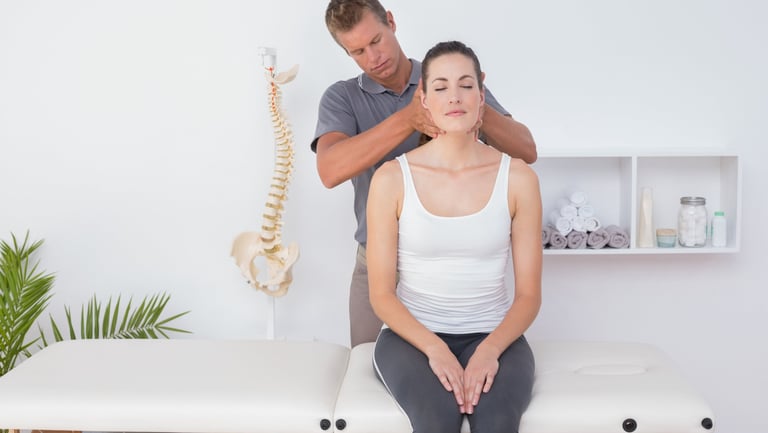
A DC license in California covers spinal and joint manipulation as well as soft tissue injury within the musculoskeletal system. Chiropractors can't prescribe medication, perform surgery, diagnose or treat conditions outside that defined scope. When a chiropractor appears in your case, the first question shouldn't be whether or not the care was good or bad. It is whether the provider was legally authorized to provide it at all.
What happened in Drost v. Sheridan?
In this 2025 California case, a licensed chiropractor performed a physical examination and cleared a 14-year-old boy with a known cardiac condition for strenuous physical activity. The child went into cardiac arrest and died. The family argued and the jury agreed that clearing a patient with a cardiac history for aerobic exertion falls outside chiropractic scope. That is medicine. Specifically, that is pediatric cardiology. The jury awarded $29.5 million. On appeal, MICRA reduced that award to $250,000.
What is MICRA and has it changed?
The Medical Injury Compensation Reform Act caps noneconomic damages in medical malpractice cases in California. The cap that reduced both Drost v. Sheridan and Lopez v. Ledesma to $250,000 is no longer that amount. California updated MICRA. The caps are now higher, tiered by case type, and can stack depending on the number of defendants involved. If your case strategy or client conversations are built around the old numbers, the math has changed.
What does a provider's clean record actually tell you?
Less than you think. A provider can enter your case with a completely clean license history not because their record is clean, but because of how the reporting system is structured. There are legal mechanisms by which significant history never gets reported at all. The check you are running will return exactly what it was designed to return. What it was designed to show you and what is actually there are not always the same thing.
When should I bring in a clinical reviewer on a case involving one of these providers?
Before discovery. The questions that matter most are easiest to answer before you have already committed to a theory of the case. By the time you are in discovery, some of those answers become significantly harder and more expensive to find.
Want a practicing Nurse Practitioner's eyes on your records? Learn more about our medical record review and chronology services, or contact us to talk through your case.
Serving Northern California, The California Central Valley, Southern California, and The Bay Area
Memberships: Sacramento County Bar Association | Placer County Bar Association | AALNC
CCTLA Sponsor
209-560-6414
© 2026 Clear Advantage LNC. All rights reserved.